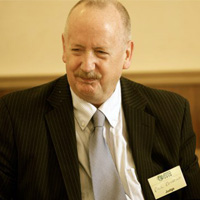
Bill Bauriñ saw dünyada belgili til masʼalalanı eksperti, Londondağı uniwersitetni Börkbek kollejini yürisprudensiya ilmudan professoru. Ol regional tilleni yada sanawğa az xalqlanı tillerini Yewropa xartiyasın Rusya tasdıq etejek (ratifikasya) qaydalarına bağışlañan Yewropa Sowetini wa Rusyanı ortaq programasında ekspert bolup ortaqçılıq etgen. Ana tilni xalqara gününde onu bulan Ramazan Alpaut etgen laqırlaşıwnı iñlis wa qumuq tilde berebiz (awtornu tarjuması).
Professor Bill Bowring kindly agreed to answer our questions on linguistic rights in Russia.
Alpaut: The Russian side repeatedly announces that it considers the Dagestanian case to be an unsolvable node, which makes the ratification of the ECRML very difficult or even impossible. Could you comment on this view: to what extent this kind of estimation is justified?
Rusya hukumat Dağıstannı til masʼalası çeçilmesdey qıyın ekenin, regional tilleni yada azlıq milletleni tillerini yewropa Xartiyasın tasdıq etiwine ullu bahana bolup turağanın köp keren bildirgen. Bu pikrunu haqında ne aytıp bolasız? İş gertiden de şolaymı?
Bowring: I stick by my opinion that what the RF has to do is 1) say what languages there are other than Russian and 2) say what is being done for each language in respect of education, legal system etc — some languages ie Lezgin are speficic to Dagestan only — but that makes the job easier. It is simply reporting what is being done.
Men oylaşağan küyde, Rusya etme gerek eki zat bar: 1) Rusyada rus tilden qayrı dağı da ne tiller barın belgiletip aytmaq wa 2) hali bussahat şo tilleni artıwuna ilmu, bilim, teñ ixtiyarlıq wa ş.b. yaqdan ne iş yürülegenin bildirmek. Bir-bir dağıstan tilleni halı özge tillege oşamayğan yerleri bar, masala, lezgi til. Amma bulay zatlar işni tınç etse tügül, qıyın etmey. Belgili bolup tura çı, ne etilip turağanı.
Alpaut: Don’t you think that the problem of making a list of languages in the region, which is a fragile issue according to the authorities, is an exaggeration, that must be treated linguistically, not politically?
Neçik esigizge gele, hukumat aytağan tilleni tizmesin (spisok) etip bolmayğanlıq qopduruw sama tügülmü? Şo tizmeni etmek uçun bu masʼalağa til ilmu yaqdan bağıp, siyasat yağın arek qoysa bolmaymı?
Bowring: I can see no problem making a list — Kumuk will be on it — according to 2010 census 503 000 people identified as Kumuk, 0.29% of the total population. The census results will in effect make the list.
Men añlayğan küyde, tilleni tizmesin etmeklik qıyın masʼalä da tügül. Masala, qumuq til de o tizmege girmege gerek. Saw Rusyalı 2010-çı yıldağı insan sanawuna göre 503 miñ adam özleni qumuqlağa hisaplağan, rusyalılanı arasında olar 0,29% bola. Şo insan sanawnu hasilleri tilleni tizmesin etegende yağada qalma gerekmey.
Alpaut: Do you consider the Charter to be a real contribution to the development of Kumuk language, which has been a lingua franca for Eastern Caucasus, displaced by Russian after the conquer of the region?
Aldın Güntuwuş Qapqazda orta til bolğan qumuq tilni rus til gelgen soñ halı osal boldu. Neçik oylaşasız, Rusyanı Xartiyaga girişi qumuq tilni halın qolay etermi?
Bowring: Initially the Charter will simply record the actual facts as they are now. Then there will be dialogue between the Expert Committee and the Government, after the Initial Report. For example, the UK started with an absolutely minimalist position. The development of the Welsh language has been the result of the actions and spending of the Welsh Assembly Government — and money for the Cornish language followed lobbying after ratification — their language was initially not on the list.
Bir başlap Xartiya bar halnı açıq etejek. Ondan soñ birinçi bayanlamadan (doklad) soñ Ekspert Komitetni wa Rusya hukumatnı laqırlaşıwu bolajaq. Masala, Britis dewlet til saqlawun lap tüp darajadan başlağan. Wels tilni yaqlawu Wels Cıyım Hukumatnı işleri wa xarjları sayalı yaşawğa çıqğan. Şolay da korn tilni saqlawuna xarj lobbi sebebden çığarıldı (tasdıq etilegen soñ). Tasdıq etilegende korn til saqlanajaq wa yaqlanajaq tilleni tizmesinde yoq da yoğudu, soñ qoşdular.
Alpaut: When they say about difficulties, they never mean Kumuk, but minority groups ascribed to Avars and Dargins like Ando-Tsez/Didoy languages, Kaytag or Kubachi etc. According to experts in Caucasian linguistics, they are different languages, but the authorities consider them to be dialects of their big brothers for polical reasons, although most of them (according to their NGOs) do not identify themselves as Avars and Dargins. Which approach should be prefered here: political or linguistic?
Federal hukumat qıyın yerlerin görsetip söyleygende heç qumuq tilni üstünden laqır yürütmey, awarlağa wa dargilege qoşulğan milletleni (andiy-didoy, xaytag, qubaçi w.b.) üstünden seyley. Amma Qapqaz til ekspertler aytağanına göre o tiller awar wa dargi tillerden başğa wa ayrı tillege hisaplanmağa gerek. Bu sözlege qarşı turup, regional hukumat o tilleni awar wa dargi tillege qoşup, işni syasatlay. Gertisin aytsa, bu qurmanlanağan azlıq milletleni qurumlarını başçılarına tıñlasañ, olar özleni ağa milletlerinden ayıra. Neçik oylaysız, bu işde qaysı yol durus: til ilmumu, yada syasatmı?
Bowring: Personally I think the expert advice in such cases should come from linguists, bearing in mind the content of the Charter and Explanatory Report, in particular Art 7(4)
"In determining their policy with regard to regional or minority languages, the Parties shall take into consideration the needs and wishes expressed by the groups which use such languages. They are encouraged to establish bodies, if necessary, for the purpose of advising the authorities on all matters pertaining to regional or minority languages." ie the people who use the languages should take priority in deciding whether what they use is a separate language.
Men oylayğan küyde, bulay yerde, Xartiyani maʼnasın wa Añlatıw Bayanlamasın esde saqlay turup, til ilmu ekspertlege tıñlama gerek. Masala, Xartini 7-çi tarmağına göre:
«Regional yada azlıq millet tilleri uçun yaqlaw darajanı tizegende qol basğan dewletlege bir başlap o tilde söyleygen xalqnı gereklerin wa süyegenlerin esge almağa tarıq. Gerek busa, olağa regional yada azlıq milletleni tili haqında oy beregen yañı qurumlar tizmege dewlet kömek etmege gerek».
Olay bolğan soñ, regional yada azlıq milletni tilinde söyleygenler özler baha bermege gerek: özleni tili ayrımı yada ullu til bulan birmi.
Alpaut: Kumuk, along with Nogay and Azerbayjanian, has its own specific issues, which should be taken into account. On the one hand, they (Turkic languages) are one of the most developed languages of the region, which are ready to satisfy top level of protection under Part II and Part III, on the other, their ethnic territories are the most multiethnic, as many mountaineers have been deported to these territories and the majority of them have migrated to the lowlands, where only Turkic and partly Slavic have always been traditional languages. What should be done in this situation?
Noğay wa qajar tiller bulan qumuq tilni özünü bir ayrı masʼalaları da bar, olar da iş-işge çıqğanda yağada qalmağa gerekmeydir. Bir yaqdan, türk tiller dağıstan tilleni arasında iñ bek artğanları, olar Xartiyani ör daraja yaqlaw tarmaqlarına hazir, başğa yaqdan, türk milli topuraqlar Dağıstanda taw milletleni güçden dewlet tüşürüp (sürgünlep) wa özler göçüp lap tillege renkli etilgen yerler bolup qaldı. Amma bu topuraqlarda köbüsü türk tiller wa nagäh slawän tiller adetli tiller edi. Bu halda ne etilmege gerek?
Bowring: I think that as always the question is whether there is sufficient density/concentration of users in a particular territory to justify Part III measures.
Men oylaşağan küyde, munda köplük bolmağa tarıq da tügül, adamlanı (bu yerde: türkleni) Xartiyani üçünçü bölümü beregen yaqlaw darajağa yaşawğa çığarmaq uçun tamamlıq etegen insan bolsa bola.
Alpaut: Would you like to say anything to www.kumukia.ru readers on Mother Tongue Day?
Bizin sayfanı oxuyğanlarına ne aytmağa süyesiz bugüngü Ana tilni xalqara gününe?.
Bowring: I congratulate all Kumuk speakers on Mother Tongue Day — you speak an ancient and beautiful language!
Qumuq tilde söyleygenleni barısında Ana tilni günü bulan qutlayman! Siz bırıñı wa gözel tilde qonuşasız, qumuqlar!
Alpaut: Thank you very much, Bill! Sawboluğuz! (on Kumuk).
Köp sawboluğuz, Bill! Sawboluğuz! (Qumuqça).